
 201 N. Alma Drive, Ste. 100, Allen, TX 75013
 972-727-0737
Tooth Extraction (Removing a Baby Tooth)
A tooth extraction is the removal of a tooth that can no longer be safely restored. While our goal is always to save a child’s natural tooth whenever possible, there are times when removing the tooth is the healthiest option.
Why might my child need a tooth extraction?
A tooth extraction may be recommended if:
- The tooth has extensive decay that cannot be repaired with a filling or crown.
- An infection has spread into the nerve or surrounding bone, and the tooth cannot be successfully treated.
- The tooth is severely broken or damaged from an injury.
- A baby tooth is preventing a permanent tooth from erupting properly.
- The tooth is extremely loose and close to falling out but is causing pain or preventing normal eruption.
- Removing the tooth is recommended as part of an orthodontic treatment plan.
Leaving a severely damaged or infected tooth untreated can lead to pain, swelling, difficulty eating, and the spread of infection. Removing the tooth can relieve discomfort and help protect your child’s overall oral health.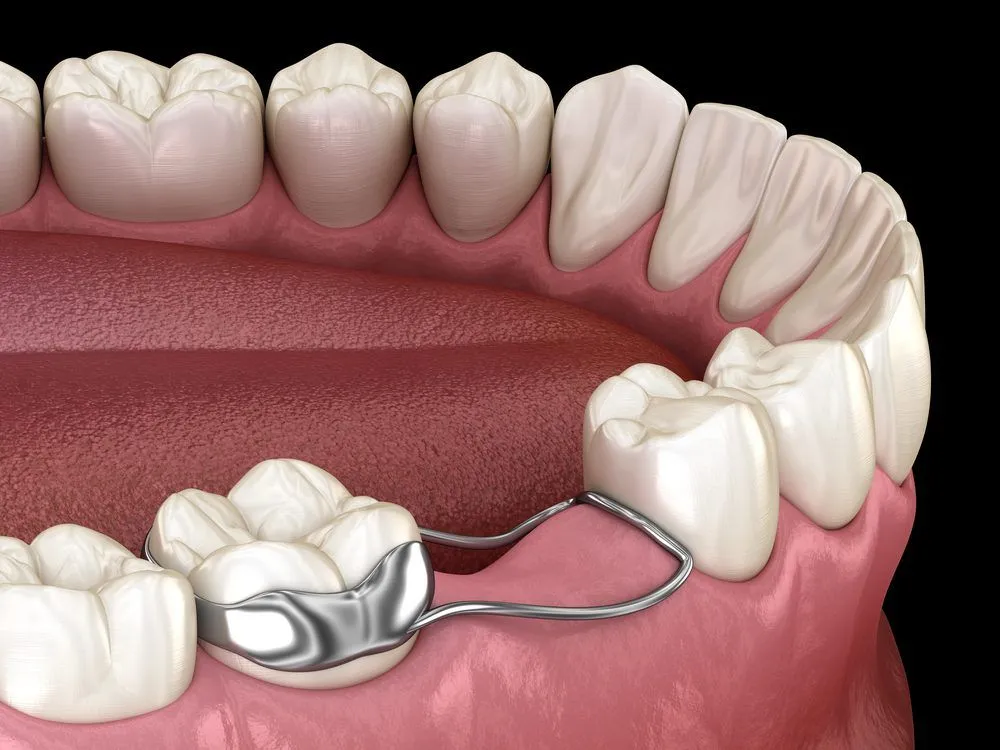
Could my child require a space maintainer?
If a baby tooth is removed before it is naturally ready to fall out, the dentist may recommend a space maintainer. Baby teeth hold space for the permanent teeth. If a tooth is lost too early, the surrounding teeth can shift into the empty space, making it difficult for the adult tooth to erupt correctly and potentially increasing the need for orthodontic treatment in the future.
Aftercare Instructions
Proper care after an extraction helps promote healing and reduces the risk of complications.
- Your child should bite on the gauze provided for 30–60 minutes to help control bleeding. Some slight oozing is normal during the first day.
- Avoid drinking through a straw, spitting forcefully, or vigorous rinsing for the remainder of the day, as these activities may disrupt the blood clot that forms in the extraction site.
- Offer soft foods such as yogurt, applesauce, mashed potatoes, pasta, smoothies (without a straw), scrambled eggs, or soup once the numbness has worn off.
- Encourage your child to drink plenty of fluids.
- If recommended by the doctor, give children’s acetaminophen (Tylenol®) or ibuprofen (Motrin®/Advil®) as directed for discomfort.
- Continue brushing and flossing the other areas of the mouth, taking care not to brush directly across the extraction site during the first day.
- Most children return to normal activities the next day, although strenuous activity should be limited for the remainder of the day.
When should you call our office?
Please contact our office if your child experiences:
- Bleeding that continues despite firm pressure with fresh gauze.
- Increasing swelling after the first 48 hours.
- Fever.
- Severe pain that is not relieved with recommended medication.
- Difficulty swallowing or breathing.
- Any concerns about the healing process.
Our team is always happy to answer questions and help ensure your child has a smooth recovery.